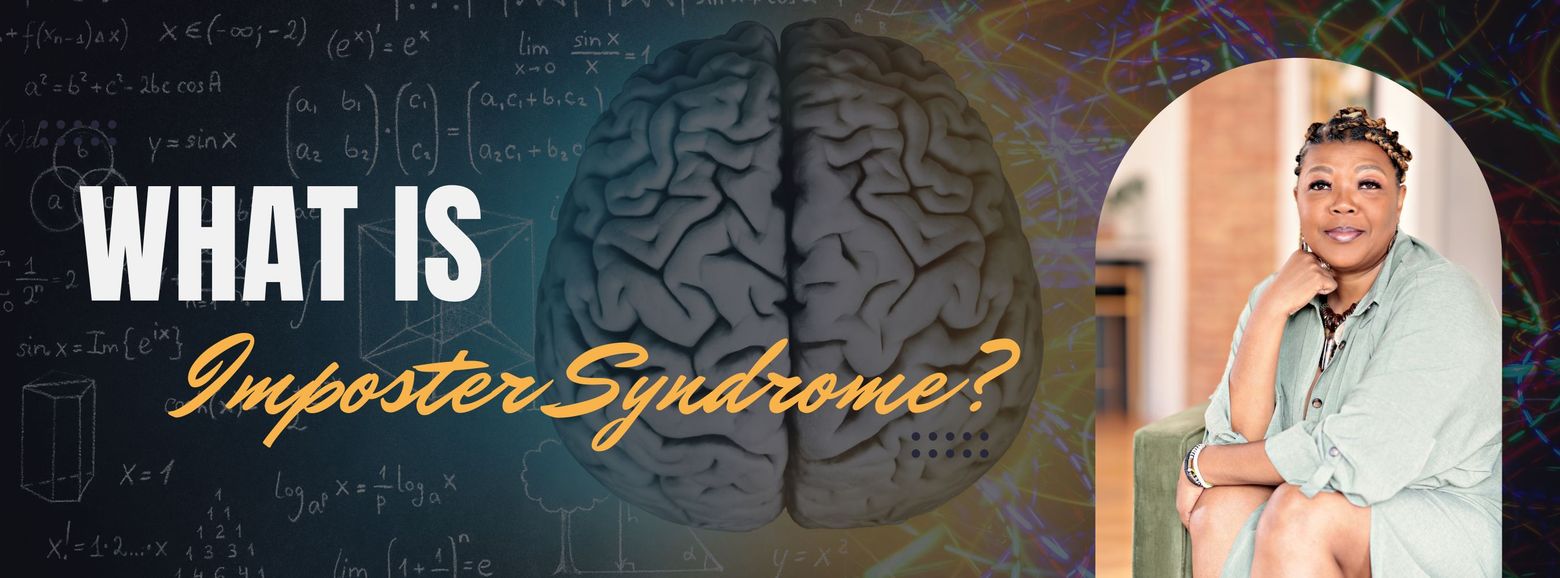
What is Imposter Syndrome?
Official Blog
“When you see how common it is you may begin to notice – even if only for a moment – that there’s something else going on here. And maybe, just maybe, you’re not right about yourself. We can’t all be imposters, can we?” – Dr Jessamy Hibberd
In the realm of psychology, the concept of imposter syndrome has garnered widespread attention and recognition. It refers to the haunting feeling of inadequacy and the fear of being exposed as a fraud, even in the face of undeniable achievements. While this definition captures the essence of the phenomenon, there is an underlying depth to imposter syndrome that begs further exploration. In this article, we will delve into the intricacies of imposter syndrome, questioning whether it is merely an internal struggle or a reflection of broader societal and systemic issues. By peering beyond the surface, we seek to shed light on how our perception of imposter syndromecan evolve, fostering a more profound understanding and compassionate approach to this pervasive human experience.
Imposter syndrome is a psychological phenomenon in which individuals doubt their accomplishments and have a persistent fear of being exposed as a "fraud". They may attribute their successes to external factors, such as luck or being in the right place at the right time, rather than to their own abilities or hard work. These feelings can be particularly common among high-achieving individuals and can be a hindrance to their success if left unchecked. If you think you might be experiencing imposter syndrome, it might be helpful to talk to a mental health professional or trusted friend or mentor for support and guidance.
As a thought leader who does not believe inimposter syndrome, I might argue that what is often labeled as imposter syndrome is simply a natural response to new challenges and high expectations. People may feel unsure or anxious when they face unfamiliar situations or when they are placed in positions of responsibility. This is a normal part of human behavior and does not necessarily indicate a deep-seated belief that they are inadequate or fraudulent.
Attributing imposter syndrome to individuals' personal insecurities overlooks the potential impact of external factors on their feelings of self-doubt. For instance, societal pressures, unrealistic standards of success, or a lack of support and recognition in the workplace/entrepreneur streets can contribute significantly to these feelings. By dismissing imposter syndromeas solely an internal issue, we may fail to address the systemic issues that contribute to individuals' doubts about their abilities.
It is essential to acknowledge that everyone, even highly accomplished individuals, may experience moments of self-doubt and uncertainty. Feeling like a "fraud" does not mean someone lacks competence or skills; it is a part of the human experience. Encouraging open conversations about these feelings can lead to a healthier and more supportive work environment, where people feel comfortable discussing their challenges and seeking help when needed.
Overall, instead of pathologizing imposter syndrome, we should focus on fostering a culture that embraces vulnerability and acknowledges the normalcy of self-doubt. By doing so, we can create a more empathetic and inclusive environment that allows individuals to grow and thrive in the face of challenges.
For a conversation about where you are and where you want to be have coffee with me. Book attheoper8tor.com/book-a-session/intentional-coffee.